




Gynae Scan

About Gynae Scan

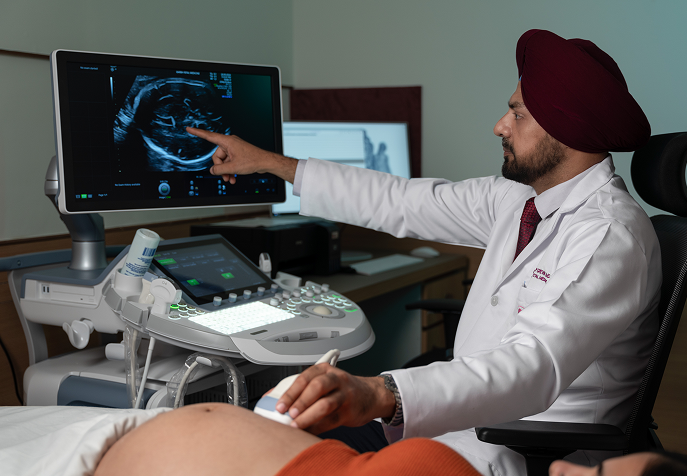
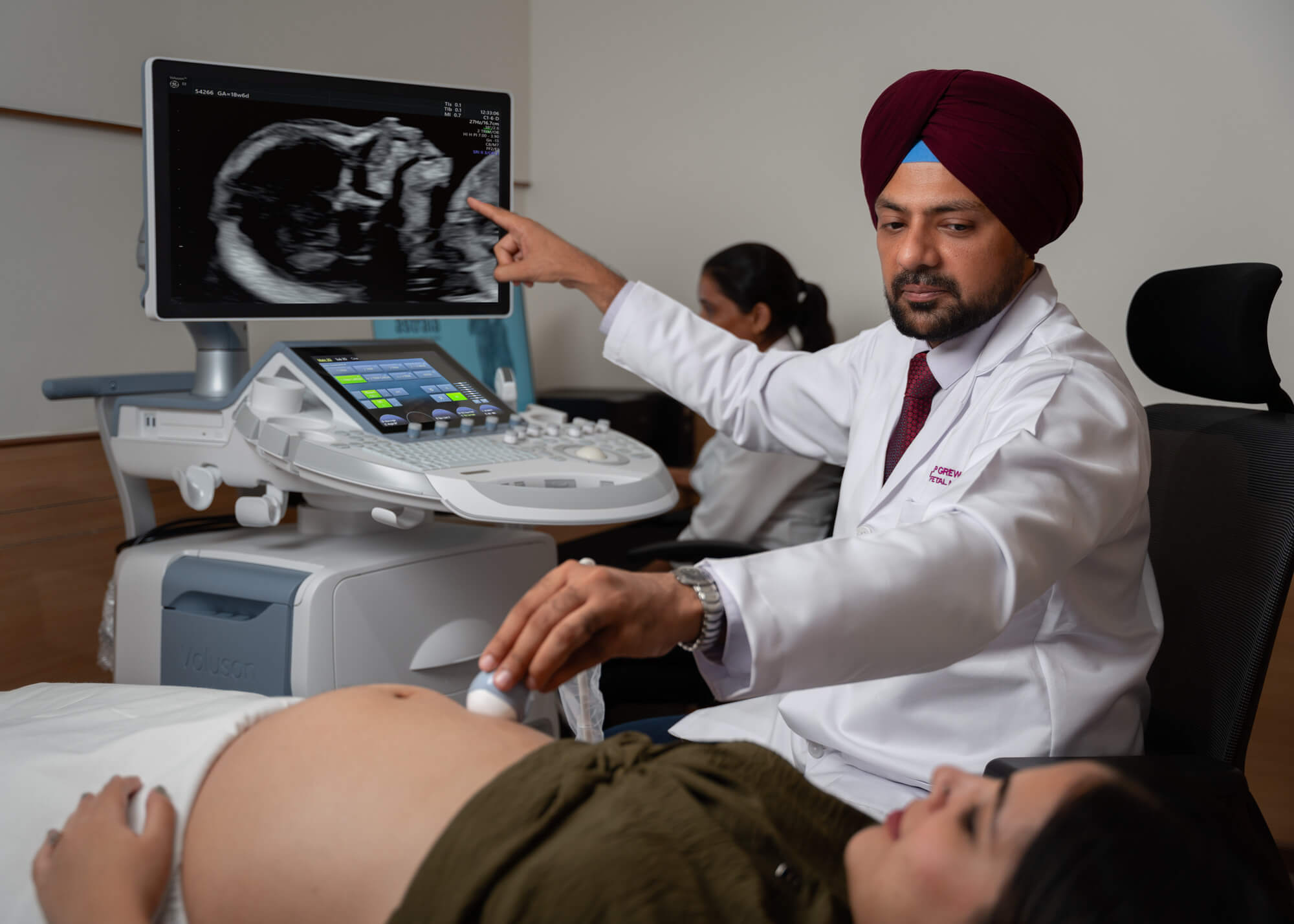
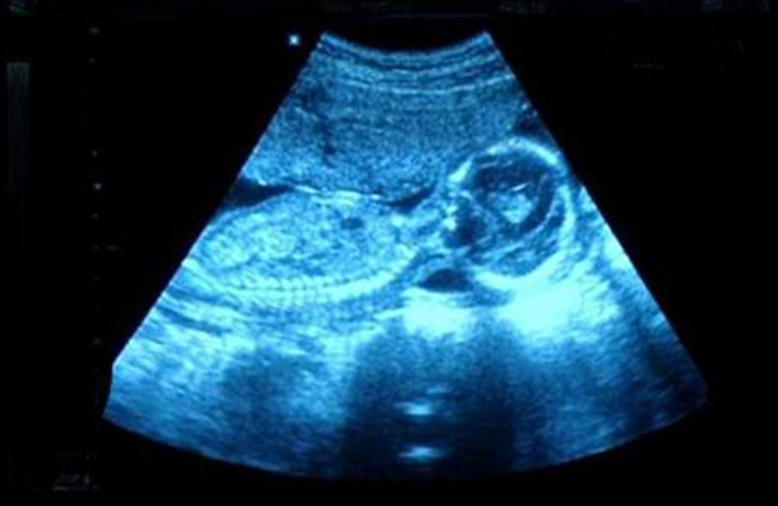
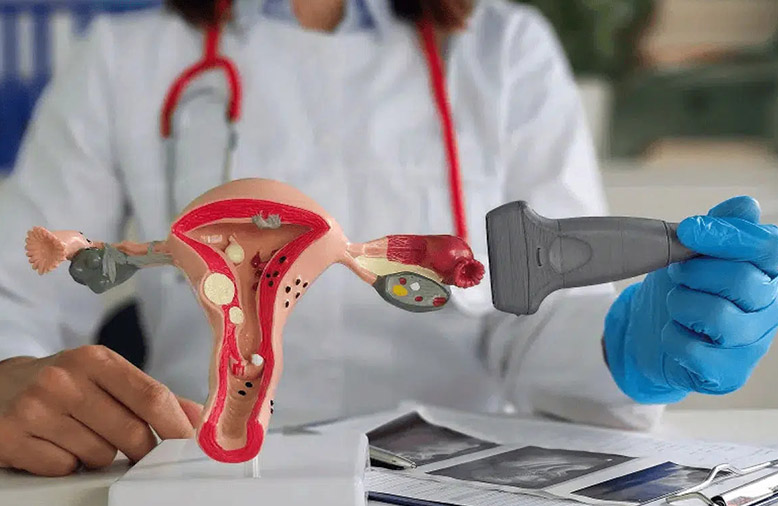
A gynae scan, or a gynecology ultrasound, is a specialised imaging procedure which is used to evaluate the female reproductive organs. Gynaec scan is considered to be an important diagnostic tool for identifying a wide range of gynaecological conditions. This is why the scan is commonly recommended for patients experiencing pelvic pain, irregular periods, fertility concerns, or other reproductive health issues. A typical gynae ultrasound uses high-frequency sound waves to generate real-time images of internal pelvic structures. This includes the uterus, ovaries, fallopian tubes, cervix, and the surrounding soft tissue. 

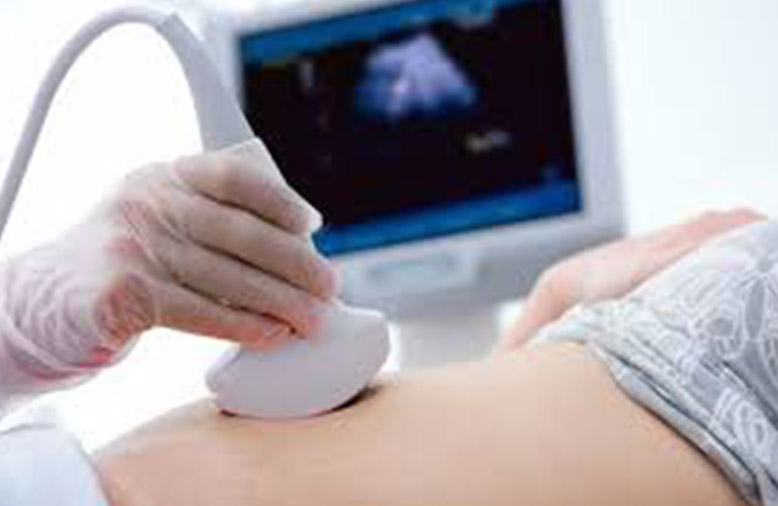
Gynaec ultrasound is non-invasive and it does not use radiation. It is safe for women across all age groups. There are two types of gynaec scans: transabdominal and transvaginal. A transabdominal scan is done externally through the abdomen and requires a full bladder. A transvaginal scan, on the other hand, needs the insertion of a specialised probe into the vagina. This scan provides a more detailed imaging of the uterus and ovaries.


Book an Appointment

When Is a Gynae Scan Recommended?

A gynaec ultrasound is often recommended for the following purposes:

  • Investigating causes of pelvic pain or abnormal vaginal bleeding
  • Assessing menstrual irregularities
  • Evaluating fertility and tracking ovulation
  • Confirming and monitoring early pregnancy
  • Monitoring the progression of previously diagnosed gynaecological conditions
  • Planning for gynaecological surgeries or treatments

Common Conditions Detected Through a Gynae Scan

Gynae scans help diagnose a variety of reproductive health concerns, such as:

-PCOS (Polycystic Ovary Syndrome)

-Endometriosis

-Ovarian Cysts

-Uterine Fibroids

Gynaec Scan for PCOS

Polycystic Ovary Syndrome (PCOS) is a common hormonal disorder among women of reproductive age. Here, a gynae scan is important in diagnosing typical PCOS features such as enlarged ovaries and multiple small cysts arranged around the edges of the ovary, often referred to as the “string of pearls” appearance. The scan helps assess ovarian volume and follicle count, which are important parameters for both diagnosis and treatment planning.

Gynaec Scan for Endometriosis

Endometriosis is a condition where tissue similar to the lining of the uterus grows outside the uterine cavity. Although laparoscopy remains the gold standard for diagnosis, a gynaec ultrasound can often identify endometriotic cysts (endometriomas). It can detect thickened pelvic tissue which can be indicative of the disease. Transvaginal scans are particularly useful in evaluating deep infiltrating endometriosis affecting the ovaries, rectovaginal space, and uterosacral ligaments.

Gynaec Scan for Ovarian Cysts

Ovarian cysts are fluid-filled sacs that develop on or within an ovary. A gynae scan helps differentiate between functional (normal) cysts and those that may require further investigation or intervention. The size, shape, and internal composition of the cyst, as visualised on the scan, provide important clues to its nature. Complex cysts or those larger than five centimetres often need regular monitoring.

Gynaec Scan for Fibroids

Uterine fibroids are noncancerous growths of the uterus that frequently appear during childbearing years. Gynae ultrasound accurately detects fibroids, measure their size, and determine their location (submucosal, intramural, or subserosal). This information is essential for deciding on treatment options such as medication, myomectomy, or other surgical procedures. Regular scanning can also track changes in fibroid size over time.

Types of Gynae Scans

Transvaginal Scan

  • Involves insertion of a probe into the vagina
  • Provides high-resolution images
  • Preferred for evaluating ovaries, endometrial lining, and early pregnancy

Transabdominal Scan

  • Conducted over the abdomen
  • Requires a full bladder for better sound transmission
  • Offers a broad view of pelvic organs

Both types may be used together depending on clinical indications.

Advantages of Gynae Ultrasound

  • Non-invasive and painless
  • Quick and efficient (typically completed within 20–30 minutes)
  • No radiation exposure
  • Widely available and cost-effective
  • Allows real-time assessment

How to Prepare for a Gynae Scan

Preparation depends on the type of scan:
  • For transabdominal scans, a full bladder is required. Drink 3–4 glasses of water one hour before the scan.
  • For transvaginal scans, the bladder should be empty. No specific preparation is usually needed.
Patients should inform the technician if they are pregnant, have a known medical condition, or are on any medication.

Gynae Scan in Fertility Treatment

Gynae ultrasound play a pivotal role in fertility evaluations. They help monitor follicular development, detect ovulation, and assess the thickness of the endometrial lining. These factors are critical for timing conception, whether through natural methods or assisted reproductive techniques such as IUI and IVF. In cases of unexplained infertility, a pelvic scan may also help detect structural anomalies.

Why Choose Garbh for Your Gynae Scan?

A gynae scan is a vital diagnostic tool in modern women’s healthcare. At Garbh, we prioritise clinical accuracy, patient comfort, and privacy in every scan. Whether you’re seeking answers, reassurance, or a clear path toward treatment, our team ensures you feel informed and empowered at every step. Patients can access high-quality gynaec scans performed with accuracy, confidentiality, and patient comfort in mind.

Women experiencing symptoms or seeking routine evaluation should consider scheduling a gynae scan as part of their overall healthcare plan. Early diagnosis often leads to better treatment outcomes and improved reproductive health.

Frequently asked questions

A gynae scan is an ultrasound procedure that helps examine a woman’s reproductive organs including the uterus, ovaries, and fallopian tubes.

No. Both abdominal and transvaginal scans are generally painless. Some patients may experience mild discomfort during transvaginal imaging.

Yes. There are no dietary restrictions before the scan. However, bladder preparation may be required depending on the scan type.

The scan usually takes 20 to 30 minutes, but this may vary based on the complexity of the case.

Yes. A gynaec ultrasound is often used to confirm and monitor early pregnancy, detect ectopic pregnancies, and assess fetal development in the first trimester.

A pelvic scan is a broader term that may refer to any ultrasound of the pelvic region, including bladder and kidneys. A gynaec ultrasound specifically focuses on the female reproductive organs.

Frequency depends on your medical history. Routine scans may be advised annually or more frequently if you have ongoing gynaecological conditions.

Yes. Since the procedure uses sound waves and not radiation, it is safe even during pregnancy.

Meet our specialist

At Garbh, our team of highly qualified specialists is dedicated to providing expert care in fetal medicine and genetic counseling. With extensive experience and a compassionate approach, they ensure the best possible care for both mother and baby. Meet our specialists to guide you through every step of your journey with personalized and professional support.
dr

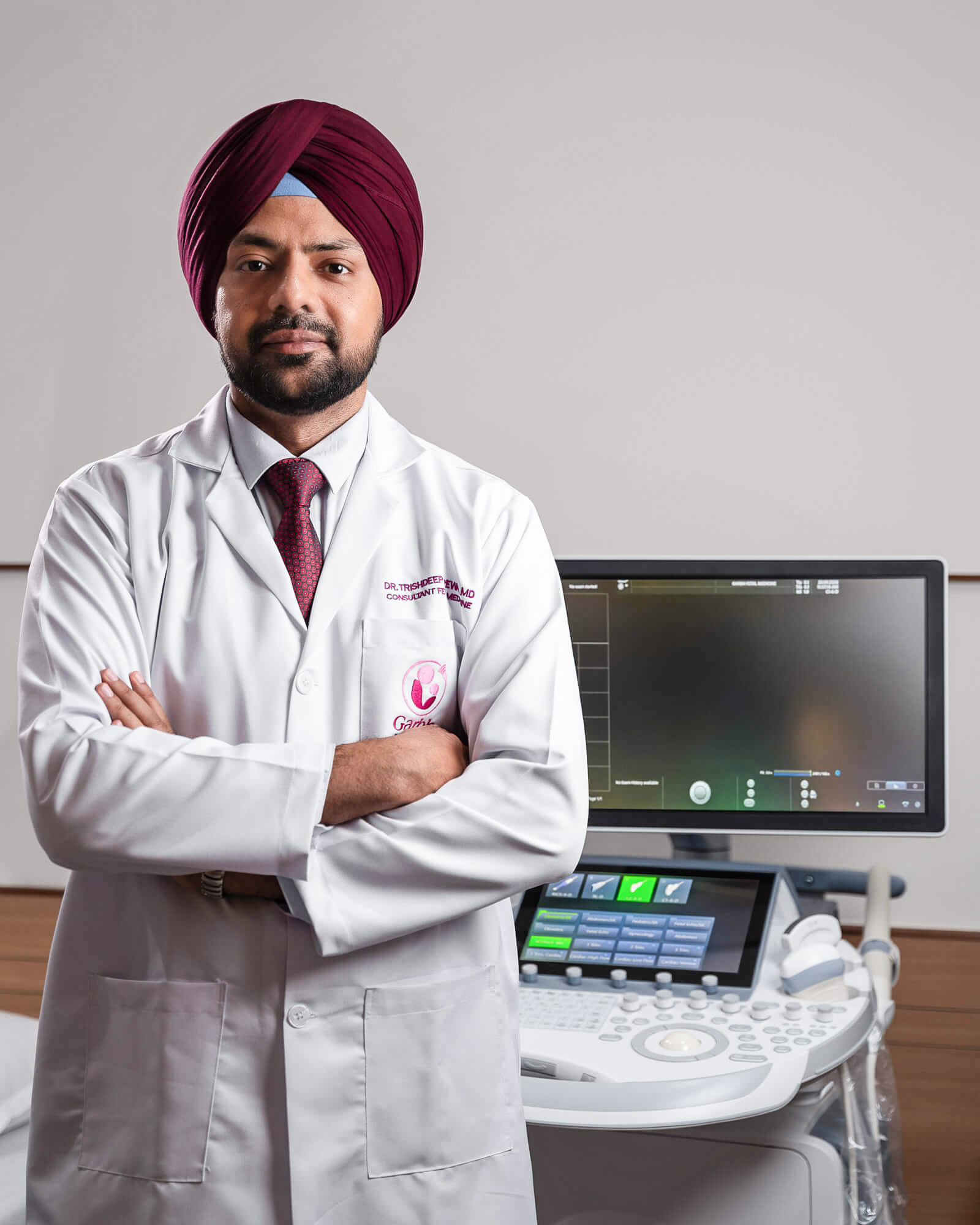
Dr. Trishdeep Singh Grewal

Dr. Trishdeep, our Director and fetal medicine Specialist, brings nearly five years of dedicated experience to our team. After completing a two-year fellowship in fetal medicine at the prestigious Bangalore Fetal Medicine Centre, he has...

Read More

dr

Dr. Sabia Mangat

Dr. Sabia Mangat, Consultant Obstetrician and Gynaecologist, brings over 10 years of clinical experience in women’s health and fertility care. She completed her post-graduation in Obstetrics and Gynaecology and pursued a one-year fellowship in Reproductive...

Read More

Patient
Testimonials

Explore some personal experiences, real stories, and feedback from our patients, focusing on the positive impact we have on their pregnancy journeys.

shape

Health blog

shape
shape

Book an appointment today to receive the best prenatal care for you and your baby.

Contact us at +91 7087204818 or visit our online booking form.
Book An Appointment
Call Now Book An Appointment
Call Us Help Line Book Appt icon Book Appointment doctors icon Google map

Dr Sabia Mangat has done her post graduation in obstetrics and gynaecology. She completed her one year fellowship programme in Reproductive Medicine And IVF from IIRH (International Institute for training and research in Reproductive Health ) and BACC healthcare Bangalore, under mentorship of Padmashree Dr Kamini A Rao( stood first in her fellowship exam).

She has trained in advanced laparoscopy under Dr B Ramesh at Altius hospital bangalore.
She has also trained in colour doppler scans at Mediscan Chennai .

She is a certified member of Chandigarh obstetrics and gynaecology society ( COGS), Indian Society of Assisted Reproduction (ISAR), Indian Fertility Society ( IFS) ,FOGSI and IMA.

Dr. Trishdeep, our Director and Consultant Radiologist, brings nearly five years of dedicated experience to our team. He completed a two-year fellowship in fetal medicine at the prestigious Bangalore Fetal Medicine Centre after earning his MD. With extensive expertise, Dr. Trishdeep has conducted thousands of advanced pregnancy scans and has performed or assisted in nearly 50 complex fetal procedures, including amniocentesis, chorionic villus sampling, fetal blood transfusion, and fetal reduction.

He is certified by the Fetal Medicine Foundation UK and is an active member of several professional bodies, including the Fetal Medicine Foundation (UK), the International Society of Ultrasound in Obstetrics and Gynecology (ISUOG), the Fetal Medicine Foundation (India), and the Society of Fetal Medicine (India). Dr. Trishdeep has a particular interest in fetal procedures and the management of complications in monochorionic twin pregnancies.