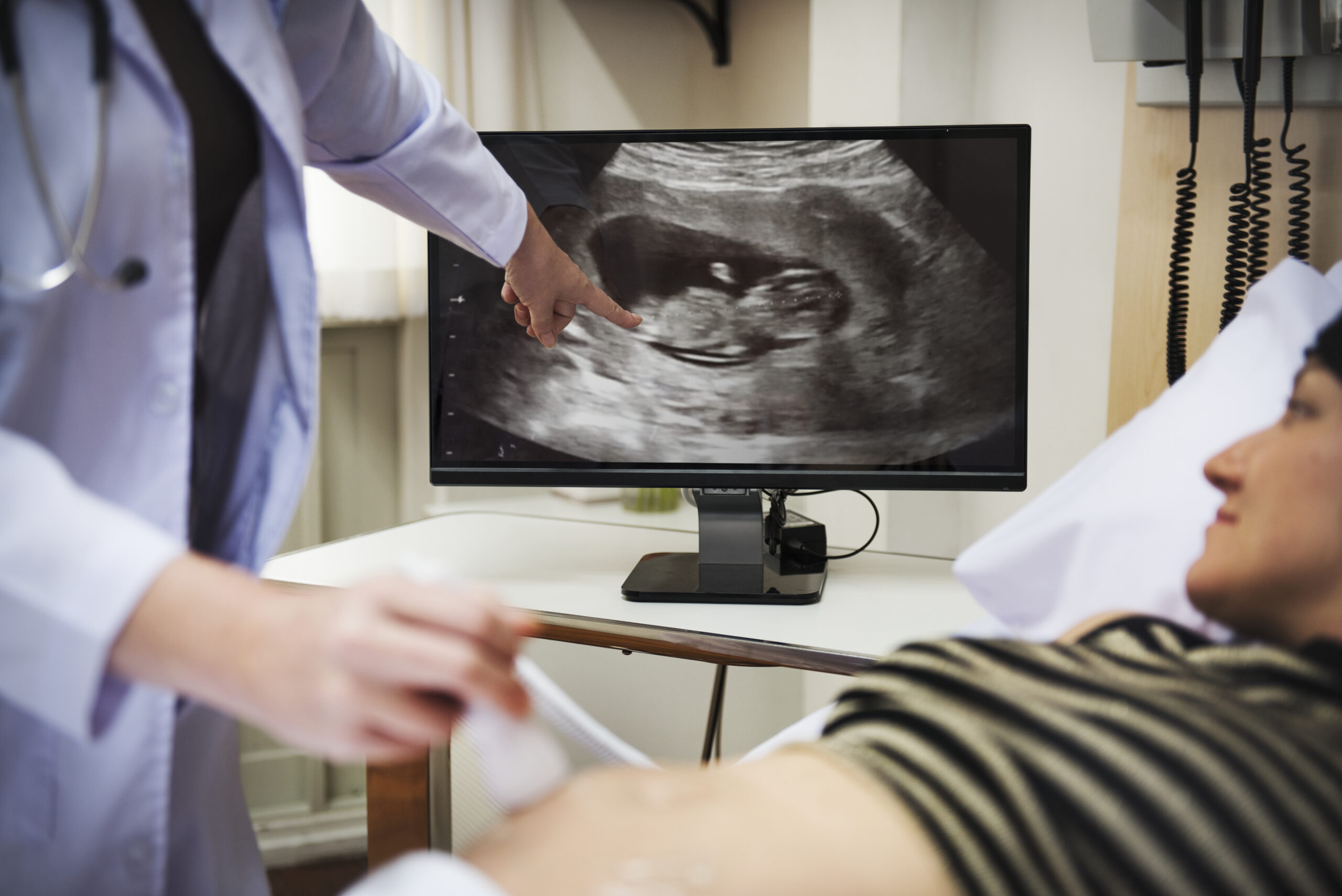
Congenital diaphragmatic hernia (CDH) is a rare but serious congenital condition that develops before a baby is born. This condition affects the diaphragm and can cause problems with lung growth and breathing after birth.
Most cases are found during the mid-pregnancy scan, but sometimes early ultrasound signs can raise concern much earlier. This is why specialist-led scans are very important, especially for rare conditions like congenital diaphragmatic hernia.
This article explains:
- What congenital diaphragmatic hernia is
- Congenital hernia types
- Congenital diaphragmatic hernia causes
- Congenital diaphragmatic hernia symptoms
- When and how CDH is detected
- Congenital diaphragmatic hernia treatment options
- Why early specialist scans matter
What Is Congenital Diaphragmatic Hernia?
Congenital diaphragmatic hernia is a birth defect in which there is a hole or weak area in the diaphragm. The diaphragm is the muscle that separates the chest from the belly and helps with breathing. Because of this hole, organs like the stomach, intestines, or liver can move into the chest.
When these organs move into the chest:
- The lungs do not have enough space to grow
- Lung size becomes smaller than normal
- Breathing after birth can be difficult
Congenital diaphragmatic hernia is seen in about 1 in 2,500 to 3,000 pregnancies, making it a rare condition.
Congenital Diaphragmatic Hernia Types
There are different congenital diaphragmatic hernia types, based on where the hole is located:
- Left-sided CDH (most common)
- Right-sided CDH
- Rare central defects
Knowing congenital diaphragmatic hernia types helps doctors decide the level of care and treatment needed.
Congenital Diaphragmatic Hernia Causes
Many parents ask about congenital diaphragmatic hernia causes. In most cases, the exact reason is not known.
Common CDH causes may include:
- Problems during early diaphragm development
- Genetic changes
- Association with other birth defects
Sometimes, congenital diaphragmatic hernia causes are linked to genetic conditions. In other cases, it happens by chance with no family history.
Congenital Diaphragmatic Hernia Symptoms
Congenital diaphragmatic hernia symptoms are usually seen after birth, not during pregnancy.
Common congenital diaphragmatic hernia symptoms include:
- Trouble breathing
- Fast breathing
- Bluish skin due to low oxygen
- Small or weak cry
During pregnancy, CDH symptoms are not felt by the mother. Instead, signs are seen on ultrasound scans. This is why expert scanning is so important.
Recognising congenital diaphragmatic hernia symptoms early after birth allows quick medical care.
When Is Congenital Diaphragmatic Hernia Detected?
Most cases of congenital diaphragmatic hernia are detected during the 19–22 week anomaly scan. At this stage:
- Organs are clearly formed
- Chest and abdomen can be seen well
- Abnormal organ positions are easier to detect
Doctors may see the stomach or intestines inside the chest instead of the belly. This confirms the diagnosis of congenital diaphragmatic hernia.
Can CDH Be Suspected in the First Trimester?
Yes, in some cases, CDH can be suspected during the 11–14 week NT scan, especially when performed by fetal medicine experts.
Early clues may include:
- Stomach not seen in the usual place
- Chest looking uneven
- Heart pushed to one side
- Anatomy not matching expected growth
At this stage, diagnosis is not final. However, early suspicion allows better planning. Early detection of congenital diaphragmatic hernia does not mean immediate decisions, it means careful follow-up.
Why Early Suspicion of CDH Matters?
Early suspicion of congenital diaphragmatic hernia helps in many ways:
- Planned follow-up scans at the right time
- Early counselling for parents
- Better understanding of congenital diaphragmatic hernia types
- Early discussion of congenital diaphragmatic hernia treatment options
In fetal medicine, noticing that something looks “different” early is very valuable. It prevents late surprises and rushed decisions.
Confirmation and Evaluation in the Second Trimester
Between 16–22 weeks, doctors confirm CDH and assess severity. They look at:
- Size of the defect
- Lung development
- Liver position
- Other abnormalities
Additional tests may include:
- Fetal heart scan
- Genetic testing
- Regular growth scans
This detailed evaluation helps decide the best congenital diaphragmatic hernia treatment plan.
Congenital Diaphragmatic Hernia Treatment
Congenital diaphragmatic hernia treatment usually happens after birth. Treatment depends on how severe the condition is.
Congenital diaphragmatic hernia treatment may include:
- Breathing support in NICU
- Medicines to help lungs and heart
- Surgery to repair the diaphragm
In some severe cases, babies may need advanced support before surgery. Planning congenital diaphragmatic hernia treatment before delivery improves survival and outcomes.
Why Specialist-Led Scans Are Important
CDH is not just about finding a hole. It requires expert understanding.
A fetal medicine specialist:
- Correctly identifies congenital diaphragmatic hernia types
- Explains congenital diaphragmatic hernia causes clearly
- Predicts outcomes based on lung size
- Guides families step by step
Routine scans may miss subtle early signs. Specialist-led scans reduce mistakes and improve confidence.
Supporting Parents with Honest Counselling
Every CDH case is different. Outcomes depend on many factors.
Good counselling:
- Uses simple language
- Explains congenital diaphragmatic hernia symptoms and treatment
- Avoids fear-based communication
- Gives families time to decide
At expert centres, counselling focuses on clarity, kindness, and medical facts.
Key Takeaway for Parents
Congenital diaphragmatic hernia is a rare but serious congenital disorder. Early specialist scans help detect problems sooner, guide care, and support families better.
For rare conditions like CDH:
- Experience matters
- Early scans matter
- Specialist care matters
About The Garbh
The Garbh – Centre for Fetal Medicine, Fertility & Diagnostics provides advanced pregnancy scans, expert fetal evaluation, and ethical counselling.
If you have concerns about your pregnancy scan or need expert advice on congenital diaphragmatic hernia, our team is here to support you with care and clarity.
FAQs on Congenital Diaphragmatic Hernia (CDH)
What is congenital diaphragmatic hernia (CDH)?
Ans. Congenital diaphragmatic hernia is a birth defect where a hole in the diaphragm lets stomach or intestines move into the chest.
At what stage of pregnancy is CDH usually diagnosed?
Ans. CDH is usually diagnosed during the anomaly scan between 19 and 22 weeks of pregnancy, when baby organs are clearly visible.
Can CDH be detected during the first trimester scan?
Ans. CDH cannot be confirmed early, but experienced doctors may suspect it during the 11 to 14 week pregnancy scan
What early ultrasound signs may raise suspicion of CDH?
Ans. Early signs include the stomach in the wrong place, uneven chest shape, heart pushed to one side, or unusual organ positions.
Why is early suspicion of CDH important?
Ans. Early suspicion helps plan special follow-up scans, guide parents early, and prepare for proper treatment and care after birth.