Shunts

What is Fetal Shunting?

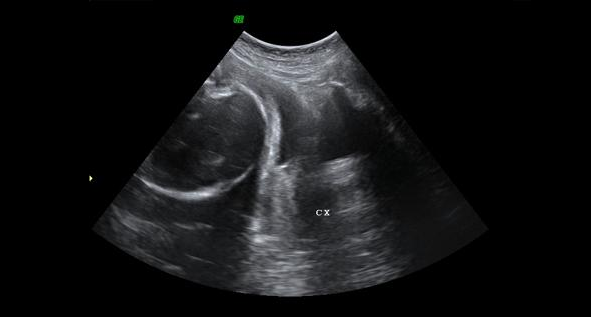
Fetal shunting refers to the insertion of a shunt - a small tube - into the fetus to divert fluid from one area to another. This procedure is crucial for treating various fetal conditions that cause fluid accumulation, especially those that may require a fetal shunt in pregnancy.

Book an Appointment


captcha

Conditions Treated by Shunts

Fetal shunts are used to treat several conditions that disrupt normal fluid balance, including:

  • Fetal Hydrothorax: Accumulation of fluid in the fetal chest, which can compress the lungs and affect their development.
  • Fetal Ascites: Fluid accumulation in the fetal abdomen, which can lead to distention and pressure on vital organs.
  • Bladder Outlet Obstruction: Blockage of the fetal urinary tract, leading to accumulation of urine in the bladder and potential kidney damage.
  • Fetal Pleural Effusion: Excess fluid in the space surrounding the fetal lungs, which can impair lung development and function.
shape

Types of Shunts

There are various types of fetal shunts in pregnancy, each designed to address specific conditions:

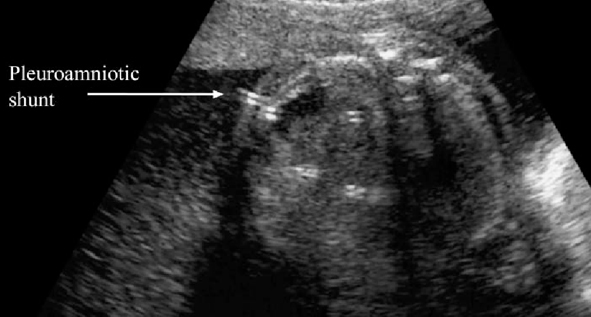
Pleuro-Amniotic Shunt

This type of shunt is used to drain fluid from the fetal chest (pleural cavity) into the amniotic sac. It helps relieve pressure on the lungs and allows them to develop properly.

Pleuro-Amniotic Shunt

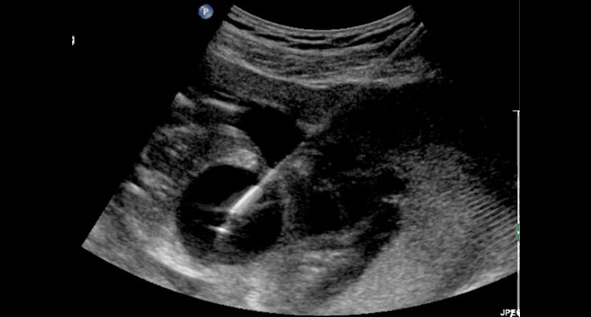
Vesico-Amniotic Shunt

Used to treat bladder outlet obstruction, this shunt diverts urine from the fetal bladder to the amniotic sac, preventing bladder distention and potential kidney damage.

Vesico-Amniotic Shunt

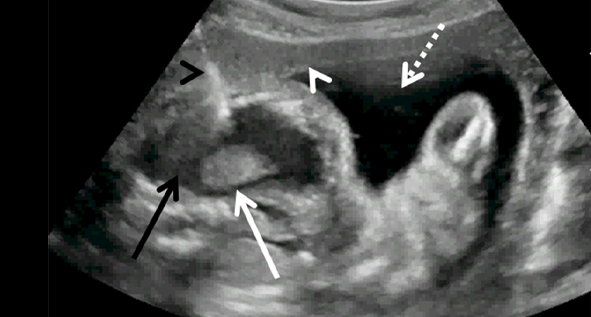
Thoraco-Amniotic Shunt

Similar to the pleuro-amniotic shunt, this device is used to drain fluid from the fetal chest into the amniotic sac, alleviating pressure on the lungs.

Thoraco-Amniotic Shunt

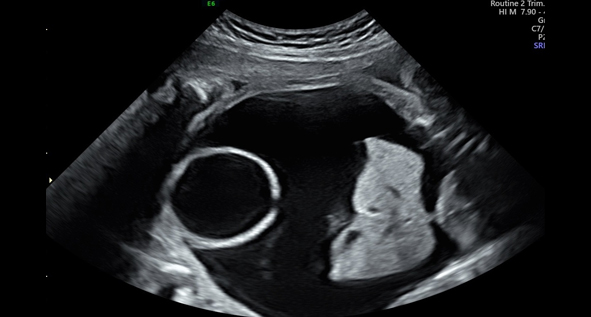
Peritoneo-Amniotic Shunt

This shunt helps manage fetal ascites by draining fluid from the fetal abdomen into the amniotic sac, reducing abdominal pressure and allowing normal development of the abdominal organs.

Peritoneo-Amniotic Shunt

Frequently asked questions

Shunts in fetal circulation are small tubes inserted to divert fluid, correct abnormalities and support fetal development.

A fetal shunt is necessary when there is an abnormal accumulation of fluid such as in cases of hydrothorax, ascites, or bladder outlet obstruction.

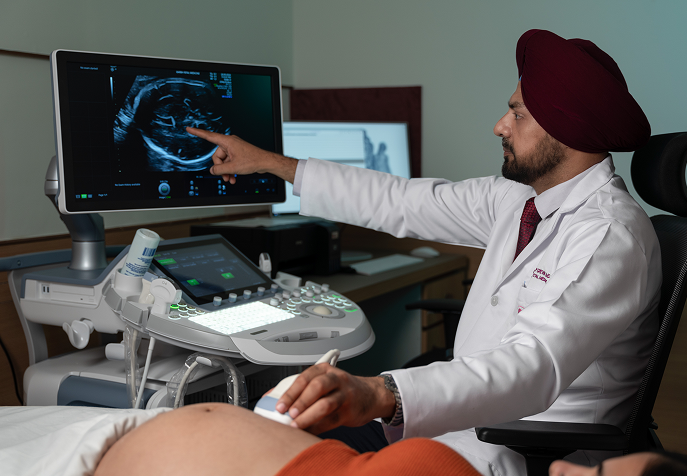
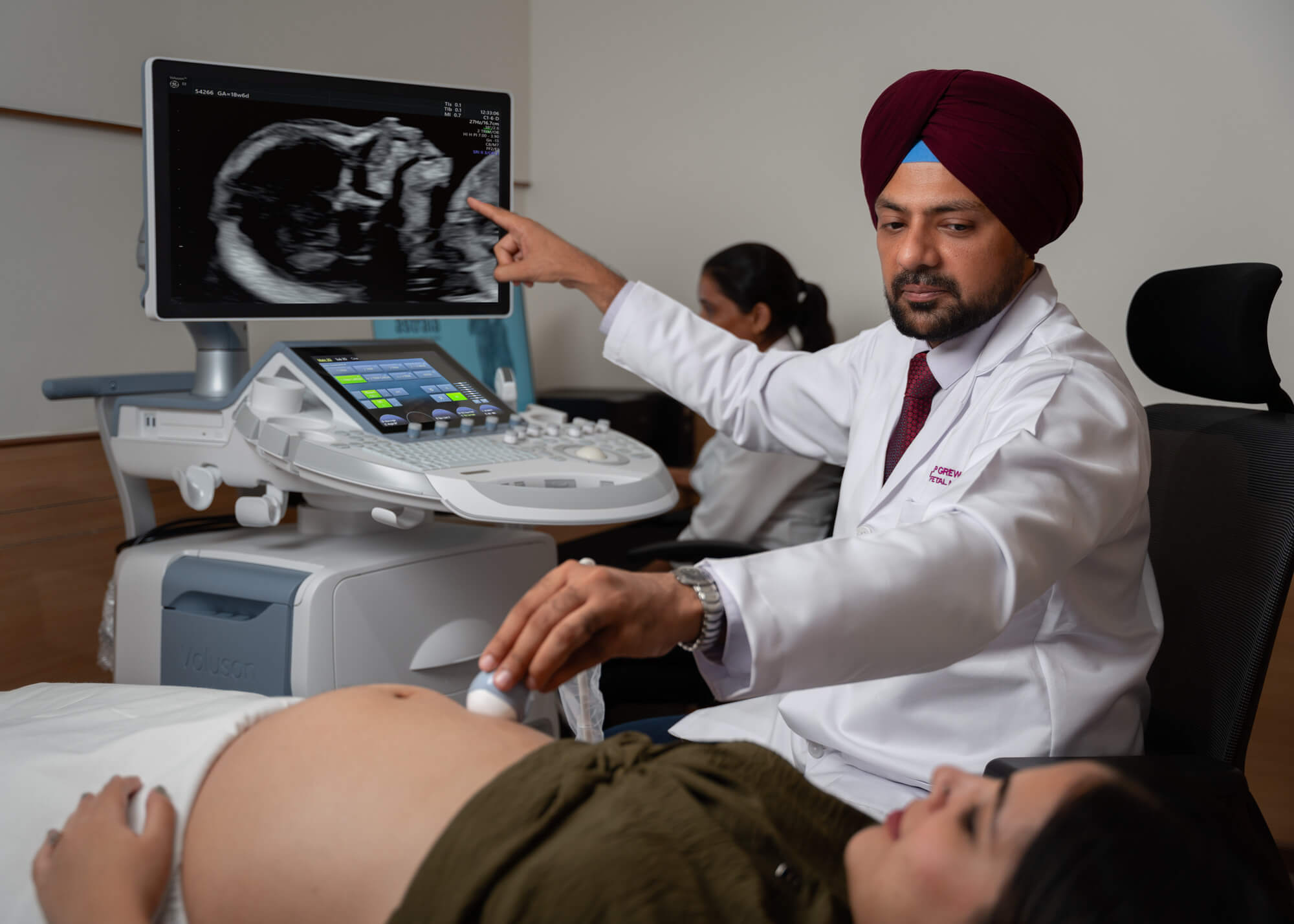
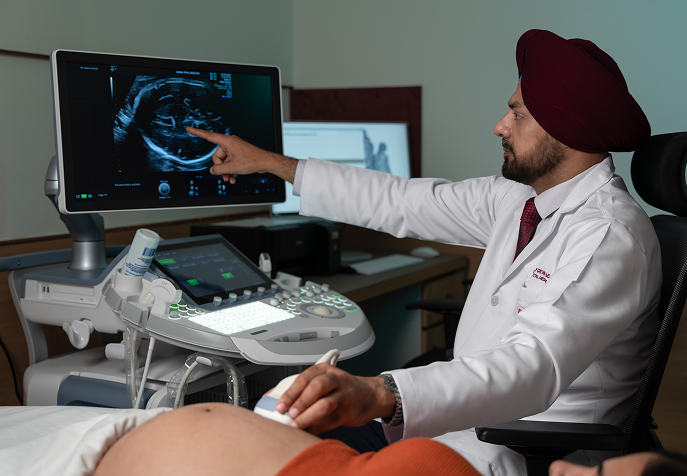
The shunt procedure is performed under ultrasound guidance with a fine needle inserted through the mother’s abdomen into the uterus to place the shunt in the desired location.

While generally safe, the procedure carries risks such as infection, preterm labor, or shunt displacement, which are closely monitored and managed by medical professionals.

Meet our specialist

At Garbh, our team of highly qualified specialists is dedicated to providing expert care in fetal medicine and genetic counseling. With extensive experience and a compassionate approach, they ensure the best possible care for both mother and baby. Meet our specialists to guide you through every step of your journey with personalized and professional support.

dr

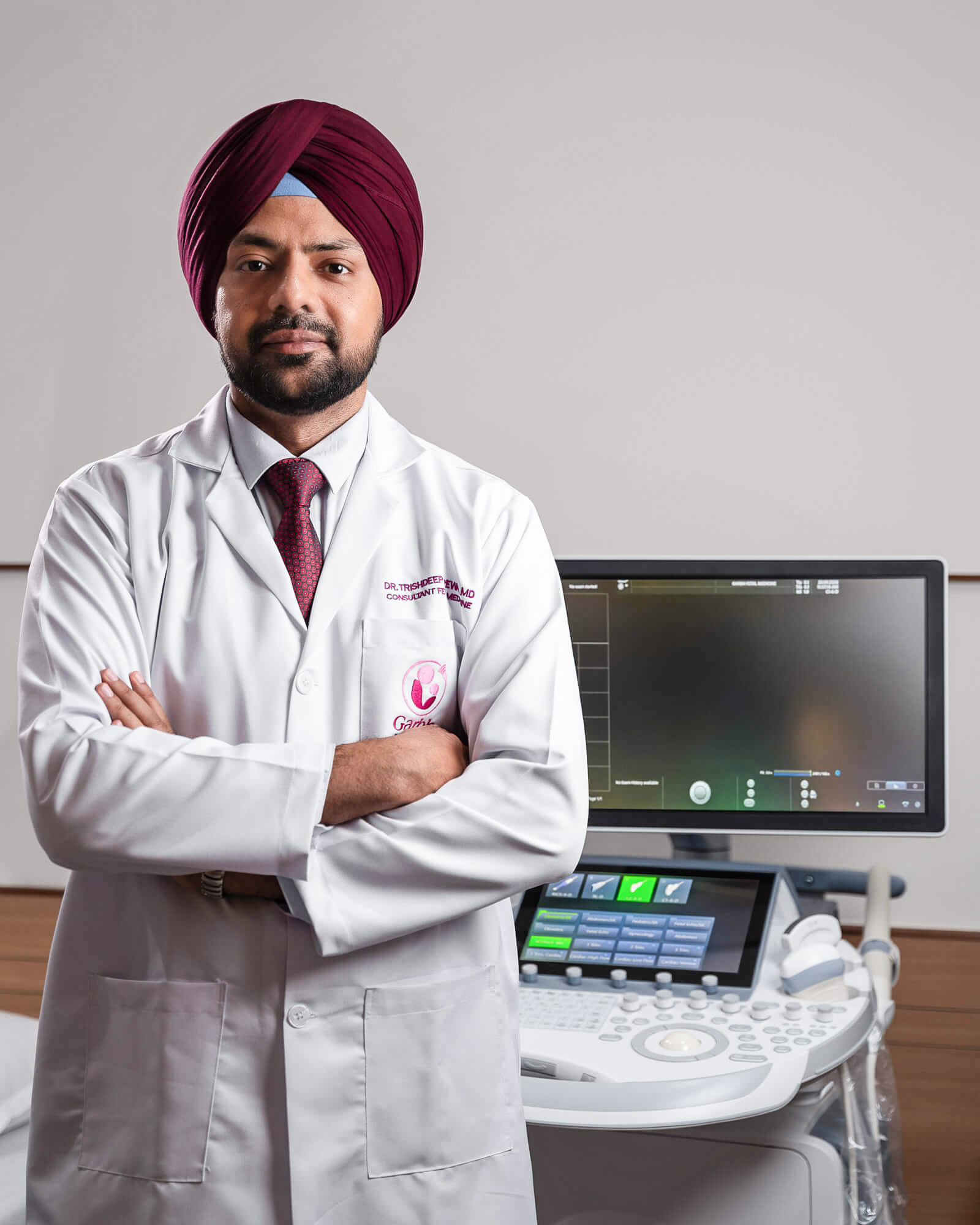
Dr. Trishdeep Singh Grewal

Dr. Trishdeep, our Director and fetal medicine Specialist, brings nearly five years of dedicated experience to our team. After completing a two-year fellowship in fetal medicine at the prestigious Bangalore Fetal Medicine Centre, he has...

Read More
dr

Dr. Sabia Mangat

Dr. Sabia Mangat, Consultant Obstetrician and Gynaecologist, brings over 10 years of clinical experience in women’s health and fertility care. She completed her post-graduation in Obstetrics and Gynaecology and pursued a one-year fellowship in Reproductive...

Read More

Patient
Testimonials

Explore some personal experiences, real stories, and feedback from our patients, focusing on the positive impact we have on their pregnancy journeys.

shape

Health blog

shape
shape

Book an appointment today to receive the best prenatal care for you and your baby.

Contact us at +91 7087204818 or visit our online booking form.
Book An Appointment
Call Now Book An Appointment
Call Us Help Line Book Appt icon Book Appointment doctors icon Google map

Dr Sabia Mangat has done her post graduation in obstetrics and gynaecology. She completed her one year fellowship programme in Reproductive Medicine And IVF from IIRH (International Institute for training and research in Reproductive Health ) and BACC healthcare Bangalore, under mentorship of Padmashree Dr Kamini A Rao( stood first in her fellowship exam).

She has trained in advanced laparoscopy under Dr B Ramesh at Altius hospital bangalore.
She has also trained in colour doppler scans at Mediscan Chennai .

She is a certified member of Chandigarh obstetrics and gynaecology society ( COGS), Indian Society of Assisted Reproduction (ISAR), Indian Fertility Society ( IFS) ,FOGSI and IMA.

Dr. Trishdeep, our Director and Consultant Radiologist, brings nearly five years of dedicated experience to our team. He completed a two-year fellowship in fetal medicine at the prestigious Bangalore Fetal Medicine Centre after earning his MD. With extensive expertise, Dr. Trishdeep has conducted thousands of advanced pregnancy scans and has performed or assisted in nearly 50 complex fetal procedures, including amniocentesis, chorionic villus sampling, fetal blood transfusion, and fetal reduction.

He is certified by the Fetal Medicine Foundation UK and is an active member of several professional bodies, including the Fetal Medicine Foundation (UK), the International Society of Ultrasound in Obstetrics and Gynecology (ISUOG), the Fetal Medicine Foundation (India), and the Society of Fetal Medicine (India). Dr. Trishdeep has a particular interest in fetal procedures and the management of complications in monochorionic twin pregnancies.